Spicy Tuna Sushi Roll
These Spicy Tuna Sushi Rolls combine delicate raw tuna with gentle spices, fresh herbs and sticky sushi rice for a deliciously fresh bite. Finely sliced spring onions add a little crunch and freshness, while a dipping sauce provides an extra layer of flavour. They make an impressive starter or appetiser and are ideal for anyone who enjoys trying new flavours and textures.
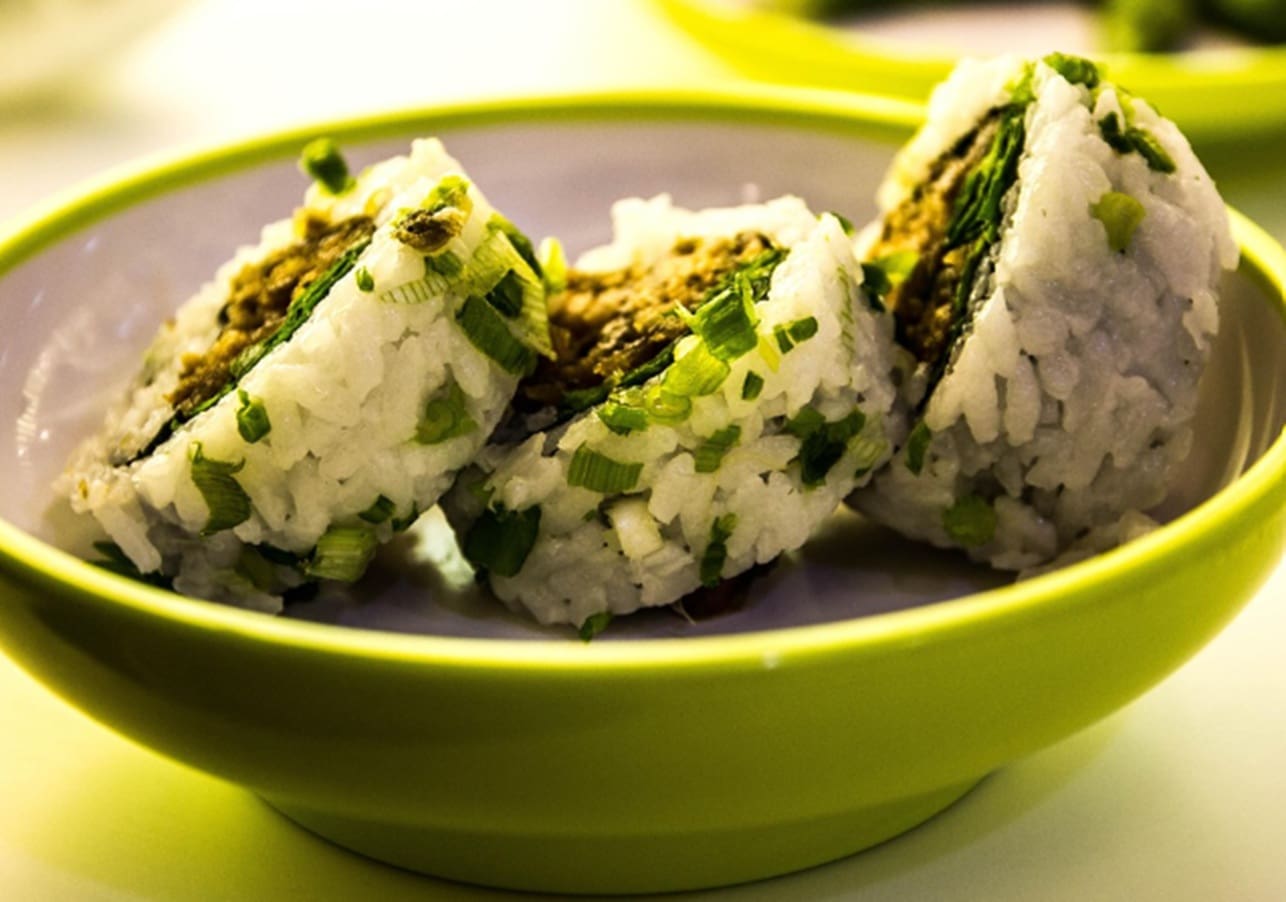
These Spicy Tuna Sushi Rolls combine delicate raw tuna with gentle spices, fresh herbs and sticky sushi rice for a deliciously fresh bite. Finely sliced spring onions add a little crunch and freshness, while a dipping sauce provides an extra layer of flavour. They make an impressive starter or appetiser and are ideal for anyone who enjoys trying new flavours and textures.
Servings 2 People
Ingredients
The Sushi Rolls:
- 200 g sushi rice
- 250 ml water
- 2 tbsp rice vinegar
- 1 tsp caster sugar
- ½ tsp salt
- 200 g tuna sushi-grade or otherwise specifically suitable-for-raw-consumption
- 2 large spring onions finely sliced
- 2 sheets nori
- ½ tsp mild chilli powder
- ½ tsp paprika
- ½ tsp dried mixed herbs
- 1 tsp sesame seeds
To Serve:
- Soy sauce or another suitable sushi dipping sauce
- Pickled ginger optional
- Wasabi optional
Instructions
- Rinse the sushi rice under cold running water several times until the water runs mostly clear. Drain well and leave it for around 10 minutes before cooking.
- Place the rice and water into a saucepan. Bring to the boil, then cover with a lid and reduce the heat to very low.
- Cook for approximately 12–15 minutes, or until the water has been absorbed and the rice is tender. Remove from the heat and leave covered for another 10 minutes.
- While the rice rests, combine the rice vinegar, caster sugar and salt in a small bowl. Stir until the sugar and salt have dissolved.
- Transfer the cooked rice to a wide bowl and gently fold through the seasoned vinegar. Take care not to mash the grains. Allow the rice to cool until it is comfortable to handle.
- Cut the tuna into small, even strips. Place it in a clean bowl and gently mix with the chilli powder, paprika and dried herbs. Keep the seasoning fairly gentle so the natural flavour of the tuna remains noticeable.
- Place a sheet of nori shiny-side down on the sushi mat. With damp fingers, spread approximately half of the sushi rice over the nori, leaving a small strip uncovered along the far edge.
- Arrange half of the seasoned tuna in a neat line across the rice, slightly below the centre. Sprinkle over some of the finely sliced spring onion and sesame seeds.
- Using the sushi mat, carefully roll the nori over the filling. Apply gentle, even pressure as you continue rolling until you have a firm cylinder. Moisten the uncovered edge of nori slightly and press it against the roll to seal it.
- Repeat with the remaining nori, rice, tuna, spring onion and sesame seeds.
- Use a very sharp knife to cut each roll into approximately 6–8 pieces. Wipe the blade with a damp cloth between cuts if necessary. This helps produce cleaner slices without squashing the rice.
- Arrange the sushi on a serving plate and sprinkle with any remaining spring onion. Serve immediately with soy sauce or your preferred dipping sauce. Pickled ginger and a small amount of wasabi can also be served alongside.
Equipment
- Saucepan with lid
- Sushi rolling mat
- wooden spoon or rice paddle
Notes
Important Raw Tuna Safety Note:
Because this recipe uses raw tuna, **only use fish that has been supplied as suitable for raw consumption or specifically for sushi/sashimi**, and follow the supplier's storage instructions. Keep the tuna properly chilled, avoid cross-contamination and prepare the sushi using clean utensils and surfaces. If you are unsure whether the tuna is safe to eat raw, do not use it for this recipe; use a cooked tuna alternative instead.
Tips for Perfect Sushi:
Keep your hands slightly damp when handling sushi rice to prevent it sticking to your fingers.
Don't overfill the rolls, as too much tuna or rice can make them difficult to seal.
Use a very sharp knife for cutting the rolls. A blunt knife is more likely to squash the rice.
Keep the seasoning gentle so the tuna remains the main flavour.
For extra heat, a little more chilli can be added, although the aim is for this recipe to have a pleasant warmth rather than overpowering spice.
Prepare the sushi as close to serving time as practical, particularly because it contains raw fish.
Other Seafood Options:
If tuna isn't available or you simply fancy trying something different, there are several fish that can work beautifully in sushi rolls. Salmon is probably the easiest alternative, offering a rich, buttery texture that pairs particularly well with the gentle spices and spring onions. As with tuna, make sure the salmon is specifically sold as suitable for raw consumption before using it uncooked.
For something a little more delicate, sea bass can work well and has a mild flavour that allows the herbs and seasoning to shine. Sea bream is another lovely option, providing a slightly firmer texture and a clean, subtle flavour. Both should only be served raw when they have been properly sourced for that purpose.
If you would rather avoid raw fish altogether, cooked prawns, flaked cooked salmon or cooked crab meat can make excellent alternatives. They change the texture slightly, but still work wonderfully with sushi rice, spring onions and a suitable dipping sauce. Cooked options are also a useful choice when serving guests who prefer not to eat raw fish.
Nutrition
Calories: 394kcal | Carbohydrates: 86g | Protein: 7g | Fat: 1g | Saturated Fat: 0.2g | Polyunsaturated Fat: 0.5g | Monounsaturated Fat: 0.4g | Sodium: 599mg | Potassium: 142mg | Fiber: 4g | Sugar: 2g | Vitamin A: 505IU | Vitamin C: 3mg | Calcium: 45mg | Iron: 2mg
