

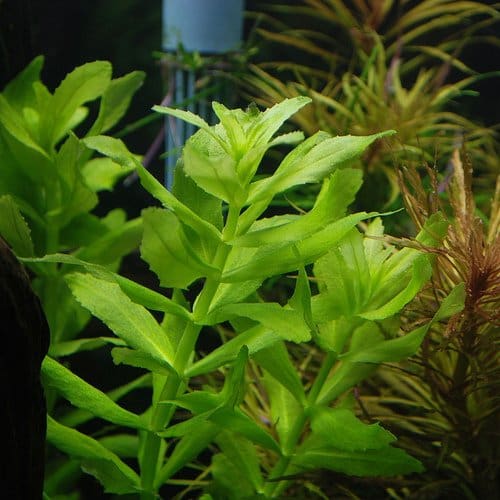
Rice Paddy Herb
Rice Paddy Herb is the shoots and leaves of a small plant used a lot in Vietnamese cooking. It has a delicate flavour has notes of citrus and cumin, and is used to season fish, soups, and vegetables.
Delicate and aromatic, Rice Paddy Herb (Limnophila aromatica) is a lesser-known but captivating culinary herb, prized especially in Vietnamese and Cambodian cooking. Native to Southeast Asia, this herb thrives in wet, swampy environments—hence its name, as it’s often found growing wild in rice paddies after the harvest. Its slender green leaves with a purple tinge release a striking fragrance when bruised, evoking a blend of citrus, cumin, and coriander.
In Vietnamese cuisine, ngò om, as it is locally known, plays a starring role in sour soups such as canh chua, a tangy and savoury fish broth laced with tamarind, pineapple, and tomatoes. Added at the end of cooking, the herb imparts a refreshing complexity that uplifts the dish. In Cambodian dishes, Rice Paddy Herb is frequently paired with lemongrass and galangal to create fragrant broths and soups with bold herbal notes.
Beyond its vibrant flavour, Rice Paddy Herb is also cherished for its medicinal qualities. Traditional remedies use it to support digestion, cool the body, and reduce inflammation. In modern herb gardens, it’s valued for both its culinary uses and its visual appeal, with feathery foliage that brings a tropical touch to any planting.
Unlike hardier Mediterranean herbs, Rice Paddy Herb requires a warm, humid environment and moist soil to thrive. It can be grown in containers in temperate climates, especially during the summer months, making it accessible to home cooks and herb enthusiasts around the world.
For adventurous food lovers, experimenting with Rice Paddy Herb can open up new layers of flavour. Whether stirred into broths, sprinkled over noodle salads, or added to seafood dishes, this aromatic herb lends an unmistakable touch of Southeast Asian soul to any plate. A small handful can transform the ordinary into the extraordinary.