
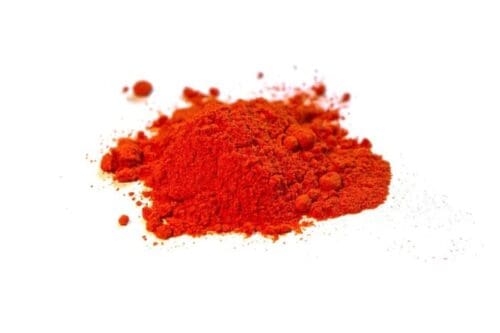
Paprika
Paprika – The Vibrant Spice with a Gentle Kick
Paprika is one of those spices that instantly brightens up a dish – not only in colour but also in flavour. With its deep red hue and mild, sweet aroma, paprika adds warmth and depth without being overpowering. It’s made by grinding dried red peppers, usually from the Capsicum annuum family, into a fine powder. Depending on the type of pepper used and the way it’s processed, paprika can range from sweet and mild to hot and smoky.
Although it’s now used in kitchens all around the world, paprika has its roots firmly planted in Central Europe, particularly Hungary and Spain. Each country has developed its own distinct style and use for the spice, making it an essential ingredient in both traditional and modern cooking.
A Brief History of Paprika
Paprika’s story begins in the Americas, where chilli peppers originated. Spanish and Portuguese explorers brought the peppers to Europe in the 16th century, and they quickly became a favourite crop due to their vibrant colour and flavour. Hungary embraced the spice wholeheartedly, and over time, paprika became a defining element of Hungarian cuisine. It’s now difficult to imagine dishes like goulash or paprikash without it.
The Many Types of Paprika
Paprika isn’t just one spice – it comes in a wide variety of flavours and colours depending on where it’s made and how the peppers are dried. Here are some of the most common types you’ll find:
- Sweet Paprika (Regular Paprika) – This is the most common type found in supermarkets. It has a mild, slightly sweet taste and is mainly used for colour and gentle flavour. It’s perfect for sprinkling over devilled eggs or adding to sauces.
- Hot Paprika – Made from hotter varieties of peppers, this paprika packs more heat. It’s often used in stews, soups, and meat dishes where a little spice is welcome.
- Smoked Paprika (Spanish Paprika or Pimentón) – Originating from Spain, smoked paprika is made by drying peppers over oak wood fires before grinding. It adds a rich, smoky flavour that’s perfect for roasted vegetables, grilled meats, or even sprinkled over potatoes.
- Hungarian Paprika – Hungary produces some of the world’s finest paprika. Hungarian paprika ranges in flavour from delicate and sweet to fiery and hot. It’s traditionally divided into several grades, including:
- Különleges (Exquisite Delicate) – the mildest and most flavourful.
- Édesnemes (Noble Sweet) – bright red, sweet, and slightly pungent.
- Rózsa (Rose) – pale red and mildly pungent.
- Eros (Hot) – the hottest of the Hungarian varieties.
- Rose Paprika – A milder, more aromatic version often used for colour rather than heat.
- Spanish Pimentón de la Vera – This famous smoked paprika from Spain has three main varieties: dulce (sweet), agridulce (bittersweet), and picante (hot).
Cooking with Paprika
This spice is wonderfully versatile. A simple sprinkle can transform plain dishes into something colourful and flavourful. It’s often used to season roasted meats, chicken, potatoes, soups, and rice dishes. However, paprika is best added early in cooking so that the flavours can develop and blend with the other ingredients. When cooking with oil or butter, gently heating paprika releases its rich colour and aroma – just be careful not to burn it, as it can turn bitter.
It also works beautifully as a garnish. A dusting over mashed potatoes, hummus, or creamy dips adds a touch of colour and elegance. In barbecue rubs, it gives both smokiness and sweetness, helping meats achieve that gorgeous deep-red crust.
Health Benefits
Beyond its flavour, it contains a good amount of vitamins A and E, along with antioxidants like carotenoids, which help support healthy skin and eyes. It may also have mild anti-inflammatory properties. While it’s not a cure-all, it’s certainly a spice that adds both taste and a touch of nutrition to your cooking.
In Summary
Paprika is a spice that brings colour, character, and warmth to countless dishes. Whether it’s the smoky richness of Spanish pimentón or the deep, sweet flavour of Hungarian paprika, each type offers its own charm. So, next time you reach for that small red jar, remember that you’re adding not just spice, but centuries of tradition and a world of flavour.