

A Crispy Pork Joint roasting in the oven for a Sunday dinner is one of my families favourite dishes. The aroma fills the house and draws everyone into the kitchen. It feels homely, generous and proudly traditional. I have cooked many roasts over the years, yet this one always brings the biggest smiles to the table.
The true hero of this dish is the crackling. That glorious, golden rind should shatter when you tap it with a knife. However, perfect crackling does not happen by chance. You need good preparation and a little patience. Fortunately, once you understand the process, it becomes wonderfully simple.
First, always choose a good quality pork joint with the rind intact. I often opt for shoulder or loin, as both roast beautifully. Before you even think about seasoning, pat the rind completely dry. Moisture is the enemy of crispness. Therefore, I usually leave the joint uncovered in the fridge for a few hours, or even overnight, to dry the surface.
Next comes the most important step: scoring the rind. Using a very sharp knife, slice the skin in a crisscross pattern. Cut through the rind and just into the fat, but do not slice into the meat itself. This crisscross pattern does two things. Firstly, it allows the salt to penetrate deeply. Secondly, it helps the fat render evenly, which creates that irresistible crisp texture.
After scoring, rub fine salt firmly into every line and corner. I also add freshly ground black pepper and sometimes a little crushed fennel seed for extra warmth. Because the cuts open up the rind, the seasoning works its way into every section. As the pork roasts, the fat bubbles up through the scored lines. Then it bastes the meat below while crisping the surface above.
When it comes to roasting, start hot. A high temperature shocks the rind and begins the crackling process straight away. After about twenty to thirty minutes, reduce the heat and allow the meat to cook through gently. This two-stage method keeps the meat juicy while ensuring the crackling stays crisp rather than hard.
Meanwhile, the kitchen fills with the savoury scent of roasting pork. The sound is just as satisfying. You will hear the faint popping as the rind transforms. At this stage, resist the urge to open the oven too often. Every time you do, you release heat and slow the crisping process.
Once cooked, rest the pork for at least fifteen minutes. This step matters. Resting allows the juices to settle back into the meat. As a result, each slice stays moist and tender. When you finally carve through the joint, the knife should glide through the meat and crack cleanly through the crust.
I love to serve Crispy Pork Joint with fluffy roast potatoes, buttery carrots, and a generous spoonful of apple sauce. The sweetness of the apple balances the rich pork perfectly. Leftovers also make excellent sandwiches the next day, especially with a little mustard and stuffing.
In the end, this dish proves that simple methods often deliver the best results. With careful scoring, proper seasoning, and steady roasting, you can achieve spectacular crackling every time. It is hearty, satisfying, and made for sharing around a busy family table.
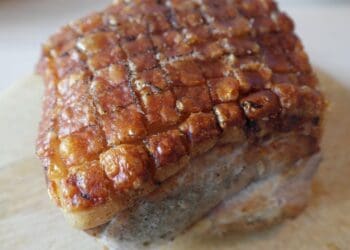
Crispy Pork Joint
Ingredients
- 2 kg pork shoulder or loin rind on
- 2 tsp fine sea salt plus extra if needed
- 1 tsp freshly ground black pepper
- 1 tsp crushed fennel seeds optional
- 1 tbsp olive oil
Instructions
Preparation:
- First, remove the pork from the fridge at least 30–45 minutes before cooking. This helps it cook evenly.
- Pat the rind completely dry using kitchen paper. Moisture prevents crisp crackling. For best results, leave the pork uncovered in the fridge for a few hours or overnight before cooking.2 kg pork shoulder
- Next, score the rind in a crisscross pattern. Use a very sharp knife. Cut through the skin and into the fat, but do not cut into the meat. Keep the cuts about 1 cm apart in both directions. This pattern helps the fat render evenly and allows seasoning to penetrate.
- Rub the olive oil lightly over the rind. Then press the salt firmly into every scored line. Add black pepper and crushed fennel seeds if using. Make sure the salt reaches deep into the cuts.2 tsp fine sea salt, 1 tsp freshly ground black pepper, 1 tbsp olive oil, 1 tsp crushed fennel seeds
Cooking Method:
- Pre heat your oven to 220°C (200°C fan) / 425°F / Gas Mark 7.
- Place the pork on a rack inside a roasting tin. If you do not have a rack, rest it on halved onions or carrots to lift it slightly.
- Roast at the high temperature for 25–30 minutes. This blast of heat starts the crackling process.
- After that, reduce the oven to 180°C (160°C fan) / 350°F / Gas Mark 4. Continue roasting for about 25 minutes per 500g, plus an extra 25 minutes.
- For a 2 kg joint, total cooking time will be around 1 hour 45 minutes to 2 hours.
- The pork is cooked when the internal temperature reaches 70°C in the thickest part. The juices should run clear.
- If the crackling needs extra crisping, increase the heat again for the final 10 minutes. Watch carefully to avoid burning.
Resting:
- Remove the pork from the oven and transfer it to a board. Cover loosely with foil. Rest for at least 15–20 minutes. This keeps the meat juicy and tender.
Carving and Serving:
- Use a sharp carving knife. Cut between the scored lines for neat portions. The crackling should break cleanly with a crisp snap.
- Serve with roast potatoes, seasonal vegetables, and apple sauce. The sweet apple balances the rich pork beautifully.
22 comments
I surprised my wife and cooked this for Sunday lunch and it was perfect. The crispy skin was a delight and nothing was left over!
I followed the scoring advice and it made all the difference. The rind puffed up and crisped perfectly. Honestly the best crackling I’ve ever made at home.
Very solid recipe. Clear instructions and no fuss. The high heat at the start really works.
It worked well, though my oven runs hot so I had to reduce the temperature slightly. That’s not the recipe’s fault.
The crackling crisped nicely, but I’d pat the rind even drier next time for extra crunch. Still very tasty.
The meat was lovely, but I think next time I’ll add more seasoning to the flesh itself. Still very enjoyable.
Good flavour and texture, though I might experiment with herbs next time. The basic method is excellent.
The pork shoulder stayed moist throughout. I usually overcook pork, but this timing was spot on.
Brilliant Sunday centrepiece. The fennel seed addition gave it a lovely subtle flavour.
This crispy pork joint turned out beautifully. The crackling was properly crunchy and the meat stayed juicy. My family asked me to make it again next Sunday.
Simple and reliable. I appreciated the clear timings and temperature guidance.
Fantastic results. Juicy pork and golden crackling that shattered under the knife. Couldn’t ask for more.
I was nervous about scoring the rind but the instructions were easy to follow. The result looked impressive.
Great recipe for beginners. Straightforward steps and very forgiving.
This was a hit at our Sunday lunch. Even the kids ate the crackling, which never happens in this house.
The pork was tender and flavourful. I added a little garlic to the seasoning and it was delicious. Will definitely use this method again.
Really good method. The resting time made a noticeable difference to how moist the slices were.
Good overall, though my crackling needed an extra 10 minutes at the end. Once I blasted it with heat, it crisped up nicely.
I’ve struggled with crackling before, but the crisscross scoring tip changed everything. Perfect crunch.
Absolutely delicious. Served with roast potatoes and apple sauce and it felt like a proper pub roast at home.
Very pleased with how it turned out. Golden rind, tender meat and plenty of compliments from the family.
This has become my go-to roast pork method. Reliable, simple and consistently crisp crackling.